Thriving Ferns: A Complete Information to Out of doors Fern Care within the UK
Associated Articles: Thriving Ferns: A Complete Information to Out of doors Fern Care within the UK
Introduction
With enthusiasm, let’s navigate by means of the intriguing subject associated to Thriving Ferns: A Complete Information to Out of doors Fern Care within the UK. Let’s weave attention-grabbing info and provide recent views to the readers.
Desk of Content material
Thriving Ferns: A Complete Information to Out of doors Fern Care within the UK

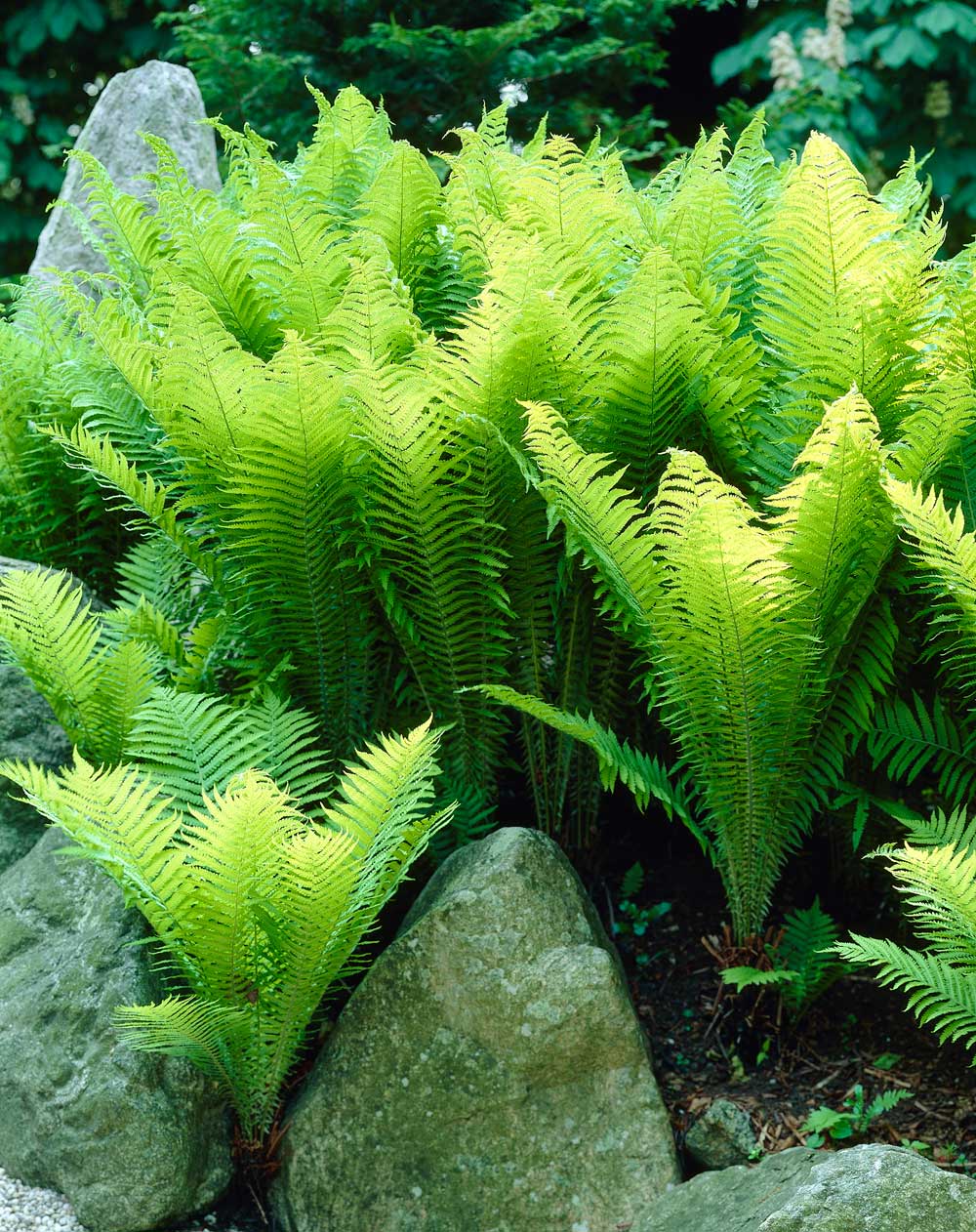
Ferns, with their delicate fronds and historic lineage, add a contact of ethereal magnificence to any UK backyard. These resilient vegetation, nonetheless, require particular care to thrive in our typically unpredictable local weather. This complete information delves into the intricacies of outside fern cultivation within the UK, protecting all the things from selecting the best species to tackling frequent pests and illnesses.
Selecting the Proper Fern for Your Backyard:
The UK boasts a surprisingly numerous vary of native and non-native ferns, every with distinctive necessities. Choosing the suitable species is essential for fulfillment. Contemplate the next components:
-
Gentle Ranges: Many ferns favor dappled shade or partial shade. Keep away from exposing them to harsh direct daylight, which may scorch their fronds. Some species, just like the hardy male fern (Dryopteris filix-mas), tolerate extra solar than others, however even then, afternoon shade is useful. Search for areas below deciduous bushes, offering shade in summer time and permitting daylight to achieve the ferns in winter.
-
Soil Sort: Nicely-drained soil is important for many ferns. Poorly drained soil results in root rot, a typical drawback for ferns. Amend heavy clay soils with natural matter like compost or leaf mould to enhance drainage and aeration. Acidic soil (pH 5.5-6.5) is usually most popular, however some ferns tolerate barely alkaline circumstances.
-
Moisture Ranges: Constant moisture is vital. Ferns dislike drying out, particularly throughout sizzling, dry durations. Mulching across the base of the vegetation helps retain soil moisture and suppress weeds. Common watering, significantly throughout dry spells, is critical. Nevertheless, keep away from waterlogging.
-
Hardiness: Select ferns appropriate to your particular hardiness zone. The UK has various hardiness zones, so examine the hardiness ranking of the fern earlier than buying. Many frequent backyard ferns are hardy to not less than -10°C, however some extra delicate varieties could require winter safety.
In style Fern Decisions for UK Gardens:
-
Male Fern (Dryopteris filix-mas): A strong and adaptable native fern, tolerating a wider vary of circumstances than many others. Wonderful for woodland gardens or shady borders.
-
Woman Fern (Athyrium filix-femina): Identified for its delicate, finely divided fronds. Prefers moist, shady circumstances. Quite a few cultivars provide variations in frond color and texture.
-
Autumn Fern (Dryopteris erythrosora): Enticing for its copper-coloured new fronds in spring, maturing to a deep inexperienced. Tolerates a bit extra solar than another ferns.
-
Polypody (Polypodium vulgare): A troublesome, epiphytic fern that may develop on partitions, rocks, or within the floor. Prefers shady, sheltered areas.
-
Hart’s Tongue Fern (Asplenium scolopendrium): Recognisable by its lengthy, strap-like fronds. Tolerates a spread of circumstances however prefers moist, shady spots.
Planting and Establishing Ferns:
-
Planting Time: Spring or autumn are best instances to plant ferns. Keep away from planting in periods of utmost warmth or frost.
-
Preparation: Put together the planting space by eradicating weeds and loosening the soil. Amend the soil with natural matter to enhance drainage and fertility.
-
Planting Depth: Plant ferns on the similar depth they had been rising of their containers. Do not bury the crown too deeply.
-
Watering: Water totally after planting to settle the soil across the roots. Proceed watering often, particularly throughout dry durations.
-
Mulching: Apply a layer of natural mulch, reminiscent of leaf mould or compost, across the base of the vegetation. This helps retain moisture, suppress weeds, and regulate soil temperature.
Ongoing Care and Upkeep:
-
Watering: Common watering is essential, significantly throughout dry spells. Water deeply and fewer incessantly moderately than shallowly and sometimes. Test the soil moisture often by inserting your finger a few inches into the soil.
-
Feeding: Ferns usually do not require heavy feeding. A light-weight utility of a balanced, slow-release fertiliser in spring will be useful, significantly for vegetation in poor soil. Keep away from high-nitrogen fertilisers, which may encourage lush development on the expense of hardiness.
-
Weeding: Preserve the realm round your ferns weed-free to stop competitors for vitamins and moisture. Mulching helps suppress weeds.
-
Dividing: Over time, ferns can turn out to be overcrowded. Dividing them each few years helps preserve vigour and prevents overcrowding. The perfect time to divide ferns is in spring or autumn. Fastidiously raise the clump, divide it into smaller sections, and replant.
-
Pest and Illness Management: Ferns are comparatively pest-resistant, however they are often inclined to slugs and snails, which may injury fronds. Use slug pellets or limitations to guard your ferns. Fungal illnesses, reminiscent of root rot, can happen in poorly drained soil. Guarantee good drainage and keep away from overwatering.
Winter Safety:
Whereas many ferns are hardy, some species could require winter safety, particularly in uncovered areas or throughout significantly harsh winters. Contemplate the next:
-
Mulching: A thick layer of mulch gives insulation and protects the roots from frost.
-
Shelter: Present shelter from sturdy winds and frost by utilizing cloches, fleece, or different protecting coverings.
-
Dry Winter Safety: Keep away from extreme watering throughout winter, as damp circumstances can enhance the chance of frost injury.
Propagating Ferns:
Ferns will be propagated by means of spores or by division. Spore propagation is a tougher technique, requiring sterile circumstances and persistence. Division is a less complicated and extra dependable technique, as described above.
Troubleshooting Widespread Issues:
-
Yellowing Fronds: This may point out overwatering, underwatering, nutrient deficiency, or pest infestation. Examine the trigger and regulate your care accordingly.
-
Brown Fronds: This may be attributable to sunburn, frost injury, or illness. Present shade, shield from frost, and deal with any underlying illness points.
-
Sluggish Development: Poor soil drainage, lack of vitamins, or inadequate watering can all result in gradual development. Enhance soil circumstances, fertilise frivolously, and water often.
-
Pest Infestation: Slugs and snails are frequent pests. Use slug pellets or limitations to guard your ferns.
By following these tips, you’ll be able to efficiently domesticate lovely and thriving ferns in your UK backyard, including a contact of pure magnificence to your outside house for years to come back. Do not forget that commentary is vital; be taught to recognise the indicators of stress in your ferns and regulate your care accordingly to make sure their continued well being and wonder.


Closure
Thus, we hope this text has supplied priceless insights into Thriving Ferns: A Complete Information to Out of doors Fern Care within the UK. We respect your consideration to our article. See you in our subsequent article!