The Netflix Algorithm and the Paradox of Selection: Discovering Your Subsequent Obsession
Associated Articles: The Netflix Algorithm and the Paradox of Selection: Discovering Your Subsequent Obsession
Introduction
With nice pleasure, we’ll discover the intriguing subject associated to The Netflix Algorithm and the Paradox of Selection: Discovering Your Subsequent Obsession. Let’s weave fascinating info and supply contemporary views to the readers.
Desk of Content material
The Netflix Algorithm and the Paradox of Selection: Discovering Your Subsequent Obsession
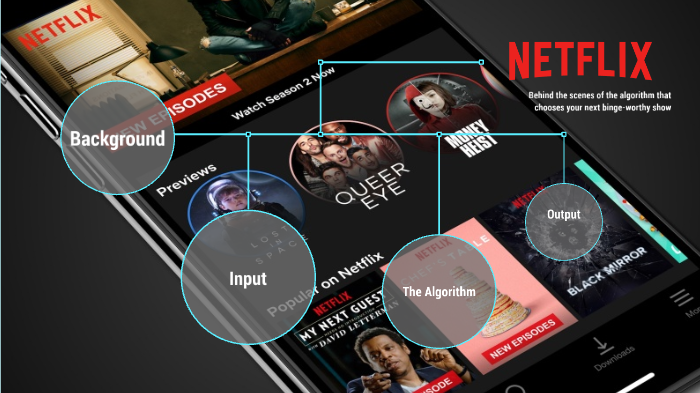
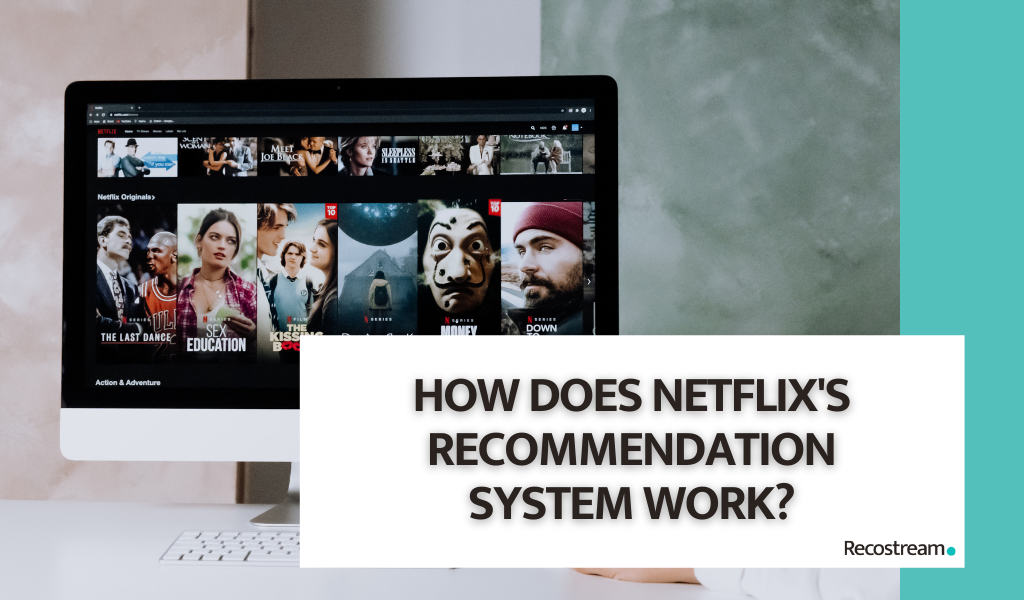
Netflix. The very title conjures photos of cozy nights in, infinite scrolling, and the agonizing battle to decide on "only one extra episode." However behind the glossy interface and personalised suggestions lies a posh algorithm, a robust engine designed to maintain us hooked, but typically leaving us feeling overwhelmed and finally unhappy. This text delves into the world of Netflix’s suggestion system, exploring its strengths and weaknesses, the affect on viewer conduct, and the inherent paradox of alternative it presents.
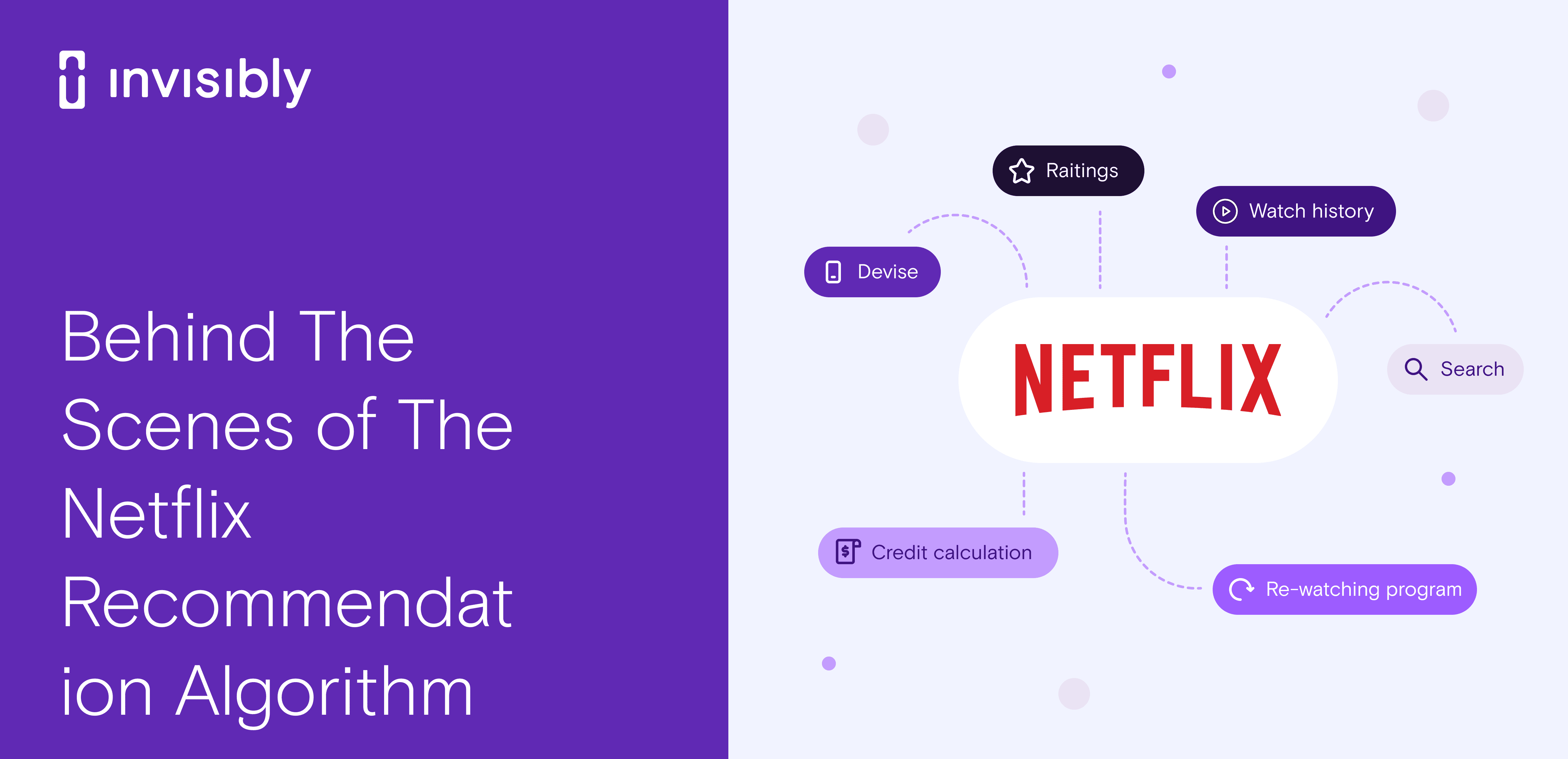
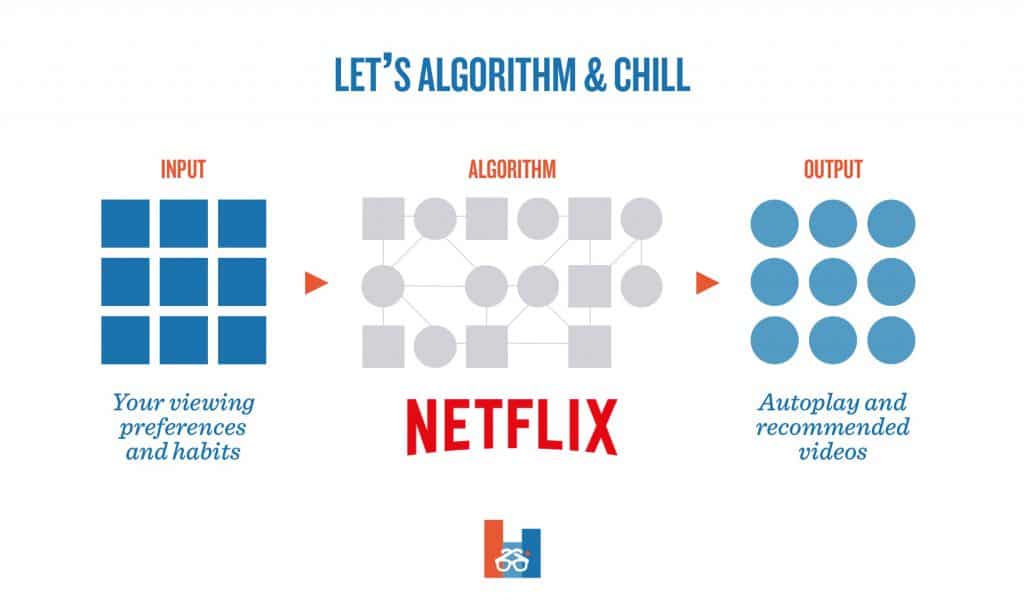
Netflix’s suggestion system is not a monolithic entity; it is a refined mix of varied algorithms, continually evolving and studying from billions of information factors. These information factors embrace viewing historical past, scores (specific and implicit), search historical past, time spent watching, the gadgets used, even the time of day you watch. This huge trove of data permits Netflix to construct a remarkably correct profile of every consumer, predicting their preferences with stunning accuracy.
The core of the system depends on collaborative filtering, a way that identifies customers with related viewing habits and recommends titles that these customers have loved. If you happen to steadily watch crime dramas that includes sturdy feminine leads, the algorithm will possible recommend different exhibits and films becoming that description. Content material-based filtering enhances this method, analyzing the traits of the content material itself – style, actors, administrators, key phrases – to recommend related objects. As an illustration, in the event you’ve watched "Stranger Issues," the algorithm may suggest different science fiction sequence with components of horror and nostalgia.
Past these established strategies, Netflix employs extra superior strategies, together with machine studying and deep studying. These permit the algorithm to uncover extra nuanced patterns and relationships within the information, going past easy style classifications. It could possibly detect delicate preferences, corresponding to a desire for a selected director’s type or a selected actor’s comedic timing, even when these preferences aren’t explicitly expressed via scores or searches. This sophistication is what makes Netflix’s suggestions so personalised and infrequently eerily correct.
Nevertheless, the very energy of this method creates a paradox. The sheer abundance of alternative, fueled by the algorithm’s capacity to pinpoint our area of interest pursuits, can result in resolution paralysis. The infinite scroll turns into a frightening activity, a endless quest for the right present or film that usually ends in frustration or settling for one thing lower than preferrred. This phenomenon, often called the paradox of alternative, means that having too many choices can truly lower satisfaction and enhance emotions of remorse.
The algorithm’s affect extends past particular person viewing decisions. It shapes the very panorama of Netflix’s content material library. By prioritizing content material that aligns with predicted consumer preferences, the algorithm not directly influences the kinds of exhibits and films that get produced and commissioned. This could result in a homogenization of content material, with a better emphasis on acquainted genres and codecs, probably on the expense of extra experimental or area of interest choices. The algorithm, in essence, turns into a gatekeeper, shaping not solely what we watch but in addition what will get created.
One other crucial facet is the algorithm’s inherent biases. Whereas it goals to be goal, the info it makes use of displays present societal biases. If sure genres or kinds of content material are underrepresented within the information, the algorithm will possible perpetuate this underrepresentation in its suggestions. This could result in a scarcity of range within the recommendations provided, probably reinforcing present inequalities and limiting publicity to various views and tales. Netflix has acknowledged these considerations and is actively working to mitigate bias via numerous initiatives, nevertheless it stays a big problem.
Moreover, the algorithm’s concentrate on personalization can result in filter bubbles, the place customers are primarily uncovered to content material that confirms their present beliefs and preferences. This could restrict publicity to new concepts and views, hindering mental progress and probably contributing to echo chambers. Whereas personalised suggestions are usually thought-about a optimistic function, the potential for filter bubbles highlights the necessity for mechanisms that encourage customers to discover content material outdoors their consolation zones.
The consumer interface itself performs a vital function in navigating the paradox of alternative. The seemingly infinite rows of thumbnails, typically accompanied by obscure descriptions, could be overwhelming. Whereas Netflix has tried to enhance the consumer expertise with options like personalised collections and curated lists, the sheer quantity of content material stays a big hurdle. The problem lies in putting a stability between personalization and serendipity, permitting customers to find new content material whereas additionally satisfying their present preferences.
In conclusion, Netflix’s suggestion system is a marvel of engineering, a testomony to the facility of data-driven personalization. Nevertheless, its very success creates a paradox: the abundance of alternative, whereas seemingly fascinating, can result in resolution fatigue and a way of dissatisfaction. The algorithm’s affect extends past particular person viewing habits, shaping the manufacturing of content material and probably perpetuating biases. Addressing these challenges requires a multi-pronged method, together with enhancements to the consumer interface, methods to mitigate algorithmic bias, and mechanisms to encourage exploration past personalised suggestions. The way forward for Netflix, and maybe the way forward for streaming usually, hinges on discovering a fragile stability between the facility of personalization and the worth of serendipity, making certain that the search for the "good" present does not develop into a supply of frustration however a journey of discovery. In the end, the success of Netflix’s algorithm lies not simply in its capacity to foretell our preferences, however in its capacity to assist us discover what we did not even know we had been on the lookout for.



Closure
Thus, we hope this text has offered beneficial insights into The Netflix Algorithm and the Paradox of Selection: Discovering Your Subsequent Obsession. We hope you discover this text informative and helpful. See you in our subsequent article!