The Mahabharata in Miniature: A Decoding of Jaane Bhi Do Yaaro’s Epic Parody
Associated Articles: The Mahabharata in Miniature: A Decoding of Jaane Bhi Do Yaaro’s Epic Parody
Introduction
With enthusiasm, let’s navigate by way of the intriguing matter associated to The Mahabharata in Miniature: A Decoding of Jaane Bhi Do Yaaro’s Epic Parody. Let’s weave fascinating info and provide contemporary views to the readers.
Desk of Content material
The Mahabharata in Miniature: A Decoding of Jaane Bhi Do Yaaro’s Epic Parody

Kundun Shah’s cult traditional, Jaane Bhi Do Yaaro (1983), is not only a hilarious satire of city corruption and the absurdities of Indian paperwork; it is a cleverly woven tapestry of cinematic allusions, sly social commentary, and surprisingly profound thematic echoes. Nowhere is that this extra evident than within the movie’s iconic Mahabharata sequence, a brilliantly executed parody that transcends mere slapstick to supply a pointy critique of energy, morality, and the cyclical nature of historical past. This scene, removed from being a easy comedic interlude, acts as a microcosm of your complete movie, reflecting its central issues and amplifying its satirical chew.
The sequence unfolds throughout a vital level within the narrative. The protagonists, the hapless and perpetually unfortunate duo of Vinod and Tarun, discover themselves embroiled in a fancy net of corruption involving a robust builder, Mr. D’Souza, and his nefarious schemes. They inadvertently bump into proof of D’Souza’s misdeeds, triggering a sequence of occasions that results in their arrest and subsequent imprisonment. It’s inside the confines of this jail that the Mahabharata parody takes place, reworking the awful actuality of their incarceration right into a surprisingly poignant and insightful commentary.
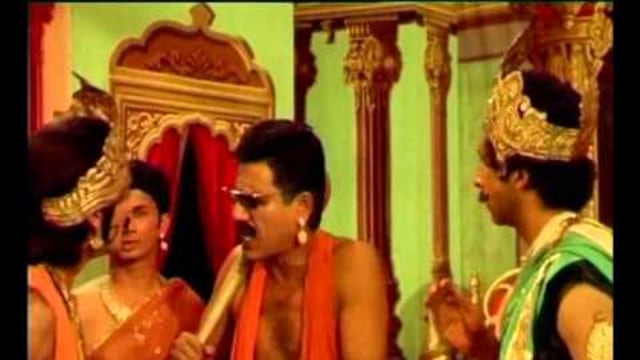
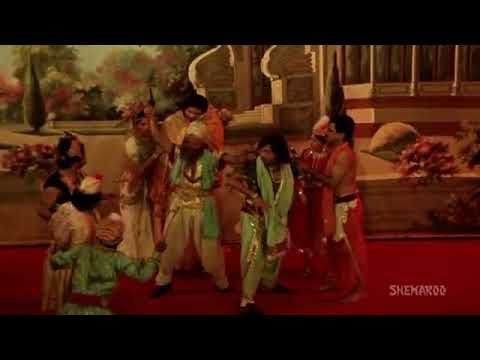
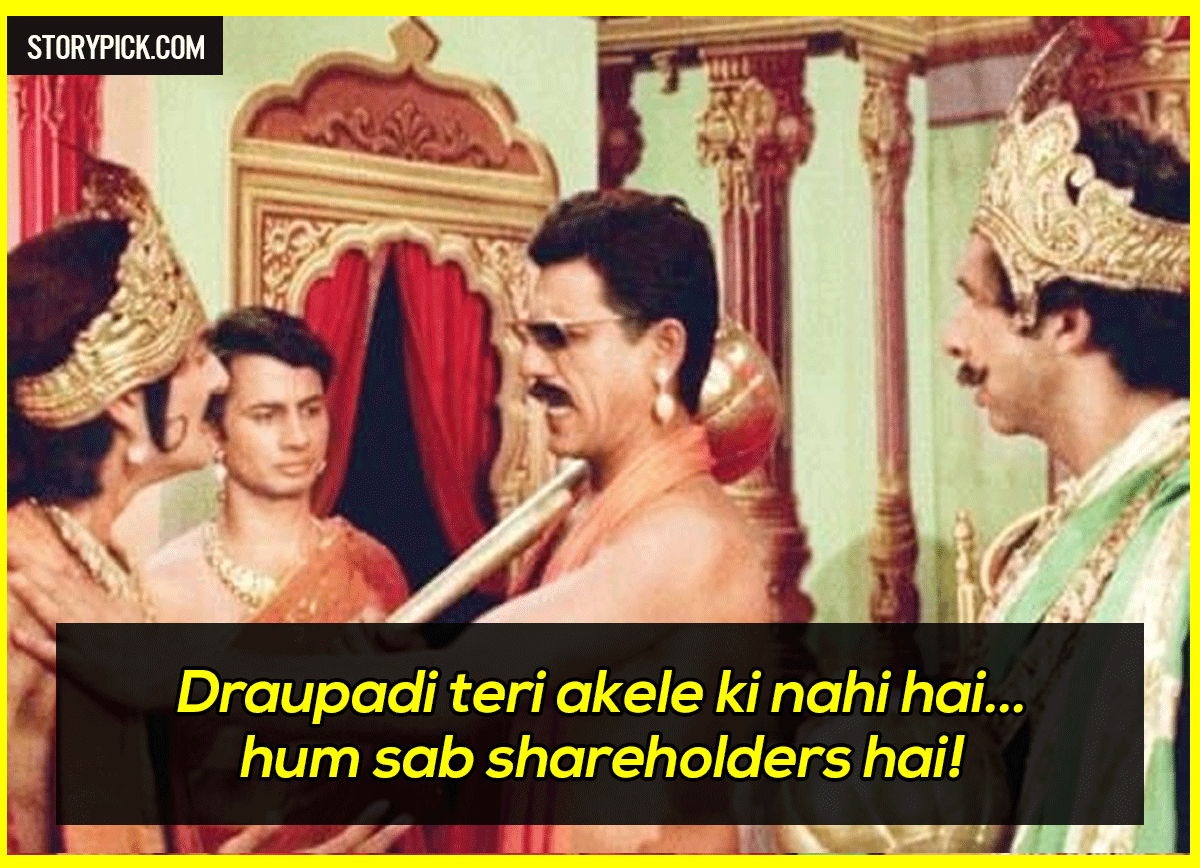
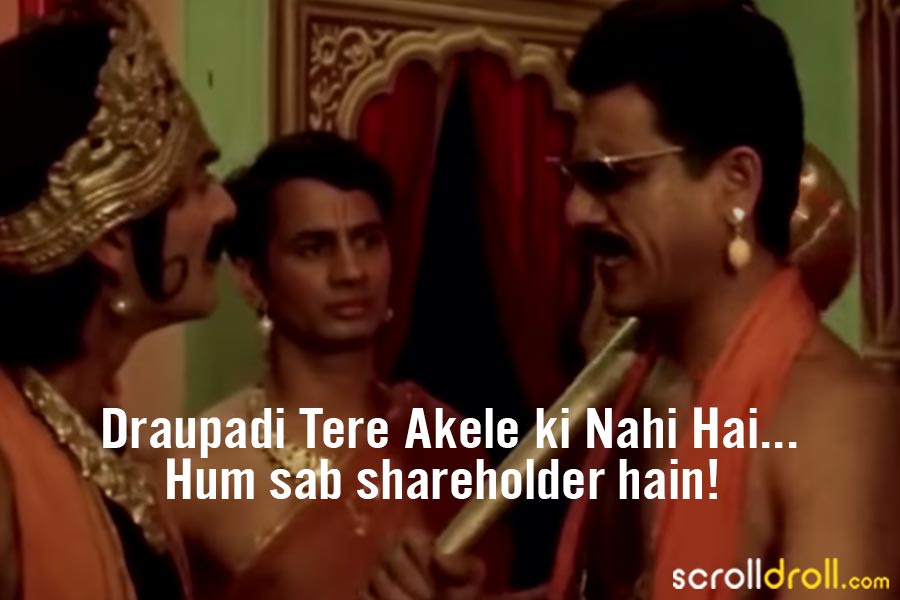
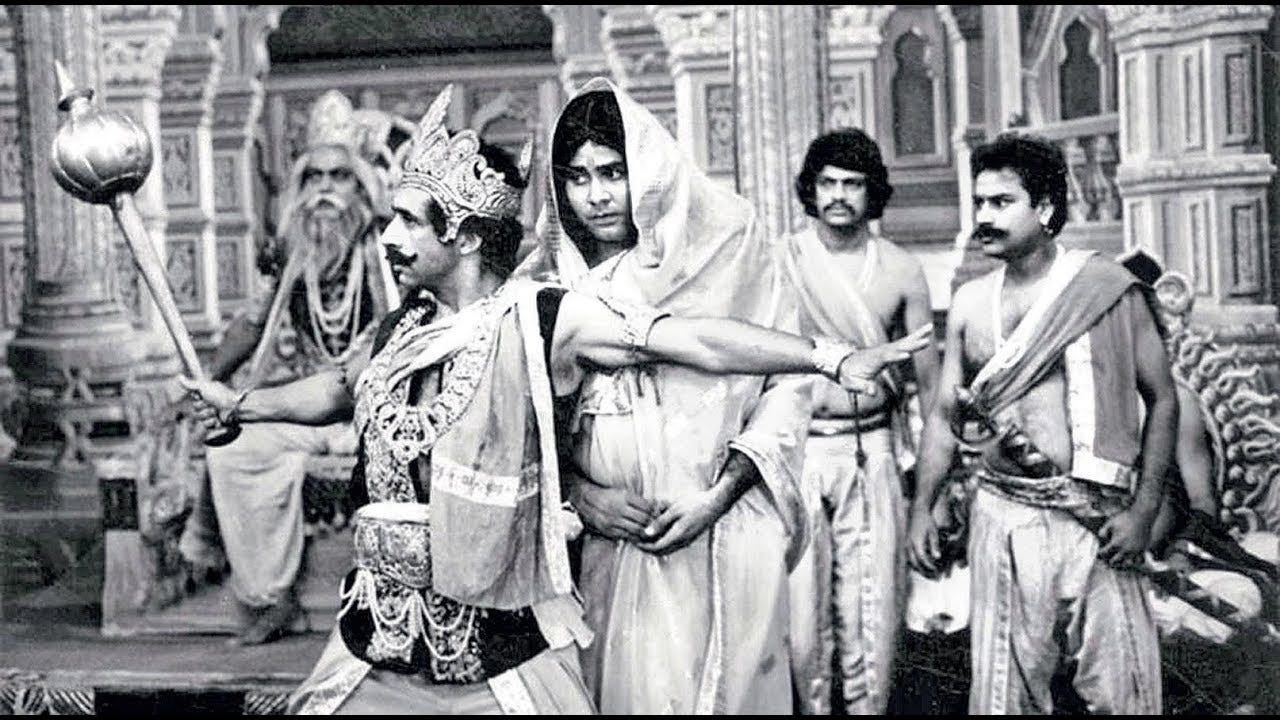
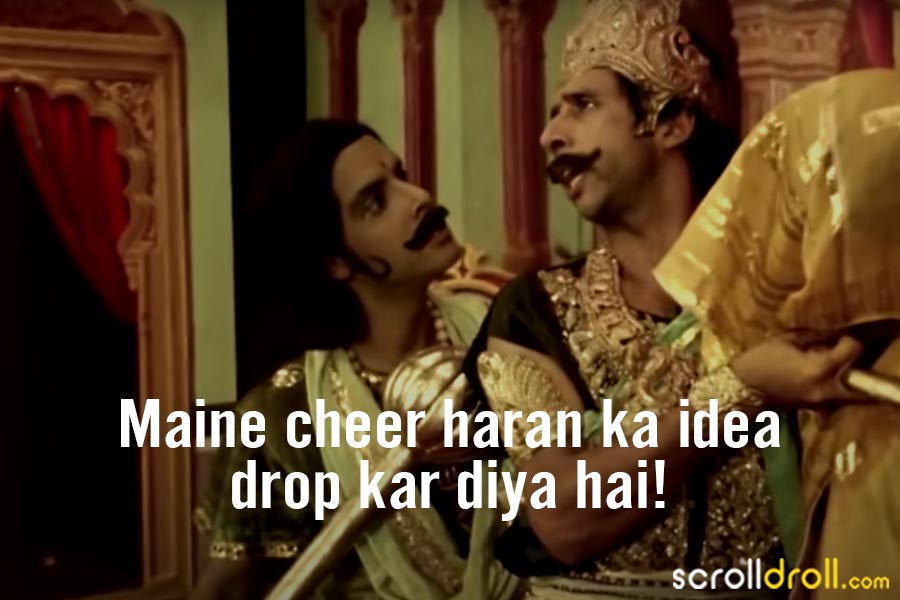
The scene begins with the inmates staging a theatrical efficiency, a determined try to flee the monotony and brutality of their environment. The play itself is a closely abridged and comically distorted model of the Mahabharata, characterised by its ludicrous costumes, amateurish performing, and wildly anachronistic parts. The characters are simply identifiable – a portly, balding inmate portraying a ridiculously buff Krishna, one other taking part in a surprisingly agile and acrobatic Arjuna, and so forth. The dialogue is peppered with colloquialisms and up to date slang, additional highlighting the jarring juxtaposition between the traditional epic and the up to date jail setting.
The comedic impact is simple. The sheer absurdity of seeing the epic battle of Kurukshetra rendered with mismatched props, exaggerated gestures, and a whole lack of gravitas is inherently humorous. Nonetheless, the humor serves a deeper goal. It isn’t merely about mocking the Mahabharata; it is about utilizing the acquainted narrative to reveal the hypocrisy and absurdity of the societal buildings which have imprisoned Vinod and Tarun.
The parody cleverly highlights the parallels between the epic’s themes and the movie’s personal narrative. The battle within the Mahabharata, a wrestle for energy and dharma, finds its echo within the movie’s portrayal of the corrupt political and bureaucratic system. D’Souza, the highly effective builder, turns into a stand-in for the Kauravas, representing the forces of greed and oppression. Vinod and Tarun, the harmless bystanders caught within the crossfire, embody the Pandavas, struggling towards overwhelming odds. Their imprisonment represents a form of unjust exile, a punishment for his or her unwitting involvement in a bigger battle.
The play inside the movie additionally satirizes the very act of storytelling and its potential for manipulation. The jail inmates’ rendition of the Mahabharata is a distorted, fragmented model, reflecting the selective and sometimes biased methods wherein historical past is remembered and recounted. Their interpretation emphasizes the comedic points, minimizing the epic’s tragic dimensions, additional highlighting the subjective nature of fact and the ability of narrative management.
Moreover, the Mahabharata sequence cleverly makes use of the epic’s archetypes to touch upon the character of energy and justice inside the jail atmosphere. The jail warden, a determine of absolute authority inside the confines of his area, mirrors the ability dynamics depicted within the Mahabharata. His arbitrary guidelines and capricious conduct replicate the arbitrary nature of energy, regardless of its supply. The inmates, stripped of their freedom and dignity, signify the marginalized and unvoiced, mirroring the plight of the widespread folks caught within the crosshairs of bigger conflicts.
The scene’s comedic brilliance lies in its potential to seamlessly mix slapstick humor with sharp social commentary. The exaggerated performing, the ludicrous costumes, and the anachronistic parts create a way of playful absurdity, whereas the underlying narrative subtly exposes the failings and hypocrisies of the system. The scene’s effectiveness stems from its potential to make the viewers snigger whereas concurrently prompting them to replicate on the deeper meanings embedded inside the parody.
The Mahabharata sequence in Jaane Bhi Do Yaaro is not only a random comedic interlude; it’s a rigorously crafted piece of cinematic satire that serves as a robust commentary on the movie’s central themes. It cleverly makes use of the acquainted narrative of the Mahabharata to reveal the absurdities of energy, the complexities of justice, and the cyclical nature of historical past. By presenting a distorted but recognizable model of the epic, the movie forces the viewers to rethink their very own understanding of the Mahabharata and, by extension, their understanding of the social and political realities they inhabit.
The scene’s lasting influence lies in its potential to seamlessly mix intellectual and lowbrow humor, creating a novel cinematic expertise that’s each intellectually stimulating and uproariously humorous. It’s a testomony to the movie’s brilliance {that a} seemingly easy comedic sequence can obtain such depth and resonance, leaving an enduring impression on the viewer lengthy after the credit roll. The Mahabharata in Jaane Bhi Do Yaaro isn’t merely a parody; it’s a profound reflection on the human situation, cleverly disguised inside a hilarious and unforgettable jail play. It is a miniature Mahabharata, reflecting the bigger epic wrestle of fine versus evil, justice versus injustice, and the enduring energy of storytelling in shaping our understanding of the world. And finally, it reminds us that even inside the darkest of conditions, laughter and satire may be potent instruments for social critique and alter.


Closure
Thus, we hope this text has offered useful insights into The Mahabharata in Miniature: A Decoding of Jaane Bhi Do Yaaro’s Epic Parody. We recognize your consideration to our article. See you in our subsequent article!