The Enduring Appeal of "Mera Naam Joker" and "Do Yaaron": A Comparative Research of Two Kumar Sanu Classics
Associated Articles: The Enduring Appeal of "Mera Naam Joker" and "Do Yaaron": A Comparative Research of Two Kumar Sanu Classics
Introduction
On this auspicious event, we’re delighted to delve into the intriguing matter associated to The Enduring Appeal of "Mera Naam Joker" and "Do Yaaron": A Comparative Research of Two Kumar Sanu Classics. Let’s weave attention-grabbing info and provide recent views to the readers.
Desk of Content material
The Enduring Appeal of "Mera Naam Joker" and "Do Yaaron": A Comparative Research of Two Kumar Sanu Classics
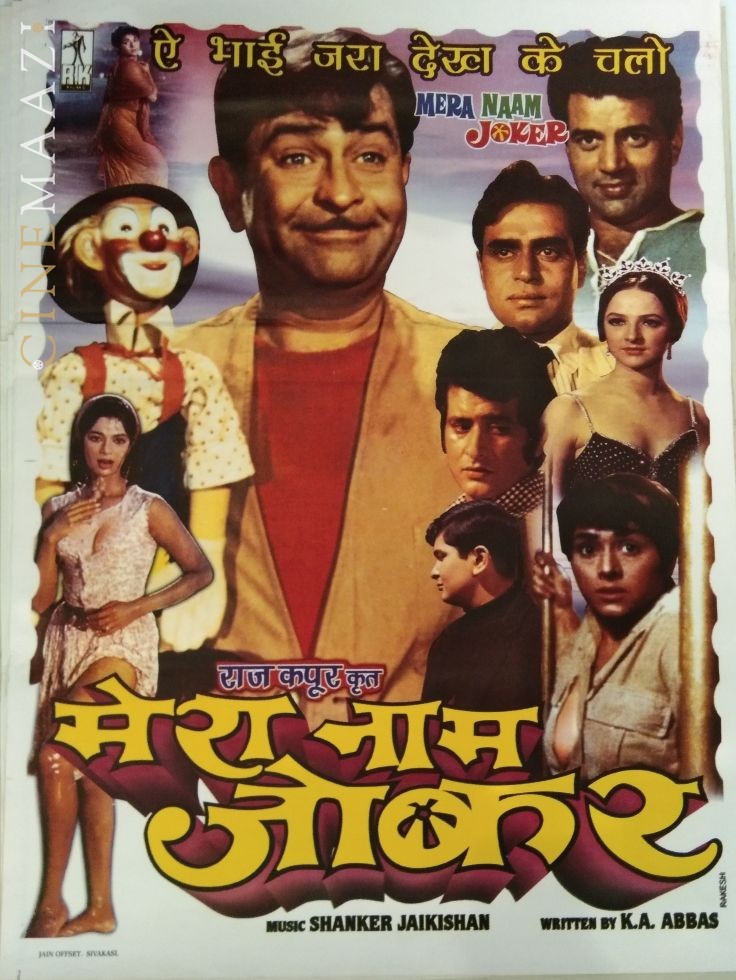
Whereas not strictly a "Kumar Sanu traditional," the title "Marne Bhi Do Yaaro" evokes the spirit of Hindi cinema’s satirical genius and deserves exploration alongside real Kumar Sanu hits. This essay will delve into the enduring enchantment of the cult traditional Do Yaaron (1983), analyzing its satirical wit, social commentary, and lasting affect on Indian cinema, whereas briefly evaluating it to the broader oeuvre of Kumar Sanu, whose music usually captured the romantic ethos of the identical period. The juxtaposition highlights the contrasting approaches to storytelling and viewers engagement, showcasing the varied panorama of Eighties Hindi cinema.
Do Yaaron, directed by Kundan Shah, transcends the boundaries of a typical Bollywood movie. It is not a romantic saga, nor a high-octane motion thriller. As a substitute, it is a black comedy that satirizes the rampant corruption and hypocrisy inside varied segments of Indian society. The movie follows the escapades of two struggling photographers, Arun (Naseeruddin Shah) and Anant (Ravi Baswani), as they navigate the complexities of their career and the chaotic city panorama of Mumbai. Their friendship, the bedrock of the narrative, types a poignant counterpoint to the absurdity surrounding them.
The movie’s genius lies in its delicate but potent satire. It would not resort to overt caricature or preachy dialogues. As a substitute, it makes use of understated humor and observational wit to reveal the failings inside the system. The characters, although flawed and sometimes comical, are remarkably relatable. Arun’s naive optimism and Anant’s cynical pragmatism create a dynamic duo whose contrasting personalities gasoline the narrative’s comedic engine. Their misadventures, starting from unintentional involvement in a homicide to navigating bureaucratic pink tape, spotlight the absurdity of on a regular basis life in a corrupt system.
The movie’s satirical targets are quite a few and different. The corrupt politicians, the inept bureaucrats, the opportunistic businessmen, and even the seemingly innocuous members of society are all subjected to Shah’s sharp, comedic lens. The movie would not shrink back from tackling delicate points like poverty, political corruption, and social injustice, however it does so with a light-weight contact, stopping the narrative from changing into overly didactic or preachy. The humor acts as a automobile for social commentary, making the movie each entertaining and thought-provoking.
The cinematography performs a vital position in establishing the movie’s distinct environment. Using handheld cameras, shaky pictures, and unconventional angles creates a way of immediacy and realism. This documentary-style method additional enhances the movie’s satirical edge, blurring the strains between fiction and actuality. The movie’s setting, the bustling streets and chaotic environments of Mumbai, turns into a personality in itself, reflecting the movie’s themes of city decay and societal dysfunction.
The music of Do Yaaron, composed by R.D. Burman, is one other integral factor of the movie’s success. Whereas not as overtly romantic because the music usually related to Kumar Sanu, Burman’s rating completely enhances the movie’s tone. The songs are quirky, usually mixing totally different genres, and seamlessly combine into the narrative. They don’t seem to be merely background music; they actively take part in shaping the temper and advancing the plot. The songs, just like the movie itself, are unconventional, reflecting the movie’s distinctive method to storytelling.
Now, let’s take into account the contrasting world of Kumar Sanu’s music. Sanu’s voice, characterised by its easy texture and emotive vary, grew to become synonymous with the romantic ballads that dominated Bollywood within the Nineties. Songs like "Aankhon Ki Gustakhiyan," "Dheere Dheere Se Meri Zindagi Mein Aana," and "Mere Khwabon Mein Jo Aaye" exemplify his model: melancholic but hopeful, passionate but restrained. His voice lent itself completely to the romantic narratives that fashioned the core of many Bollywood movies throughout his peak reputation. In contrast to the satirical and sometimes chaotic world of Do Yaaron, Sanu’s music usually accompanied narratives centered round love, longing, and the emotional complexities of relationships.
The distinction between the 2 lies not simply of their thematic focus but additionally of their method to viewers engagement. Do Yaaron challenges its viewers, prompting reflection and demanding pondering. It is a movie that stays with you lengthy after the credit roll, prompting conversations and discussions concerning the points it raises. Kumar Sanu’s music, however, usually goals for quick emotional connection. His songs evoke emotions of affection, longing, and romance, offering a soundtrack to the emotional journeys of the characters on display screen. Each types of inventive expression are helpful, however they enchantment to totally different features of the viewers’s sensibilities.
The enduring legacy of Do Yaaron lies in its capacity to stay related even many years after its launch. The themes of corruption, social injustice, and bureaucratic inefficiency proceed to resonate with audiences right this moment. The movie’s satirical wit and observational humor have aged remarkably nicely, making it a timeless traditional. Its affect might be seen in subsequent movies that make use of comparable satirical methods and discover comparable social points. Whereas Kumar Sanu’s music holds a unique type of legacy, marked by its romantic enchantment and emotional resonance, each Do Yaaron and Sanu’s musical contributions characterize vital features of Hindi cinema’s wealthy and various tapestry.
In conclusion, whereas "Marne Bhi Do Yaaro" won’t be a direct reference inside the movie Do Yaaron, its spirit – the darkly comedic statement of societal absurdities – definitely aligns with the movie’s general tone. Evaluating Do Yaaron to the romantic ballads of Kumar Sanu reveals the range of Hindi cinema within the Eighties and past. One provided satirical social commentary, the opposite, the emotional panorama of romantic love. Each, nevertheless, achieved lasting success by partaking their audiences on totally different however equally profound ranges. The enduring reputation of each Do Yaaron and Kumar Sanu’s music is a testomony to the enduring energy of storytelling and the varied methods by which it might probably resonate with audiences throughout generations. They continue to be helpful cultural artifacts, reflecting the complicated and ever-evolving nature of Indian society and its cinematic illustration.


Closure
Thus, we hope this text has offered helpful insights into The Enduring Appeal of "Mera Naam Joker" and "Do Yaaron": A Comparative Research of Two Kumar Sanu Classics. We hope you discover this text informative and useful. See you in our subsequent article!