Katchatheevu: A Tiny Island, A Huge Dispute – Unraveling the Historical past and Geopolitics of a Contested Territory
Associated Articles: Katchatheevu: A Tiny Island, A Huge Dispute – Unraveling the Historical past and Geopolitics of a Contested Territory
Introduction
With nice pleasure, we are going to discover the intriguing subject associated to Katchatheevu: A Tiny Island, A Huge Dispute – Unraveling the Historical past and Geopolitics of a Contested Territory. Let’s weave attention-grabbing info and supply contemporary views to the readers.
Desk of Content material
Katchatheevu: A Tiny Island, A Huge Dispute – Unraveling the Historical past and Geopolitics of a Contested Territory

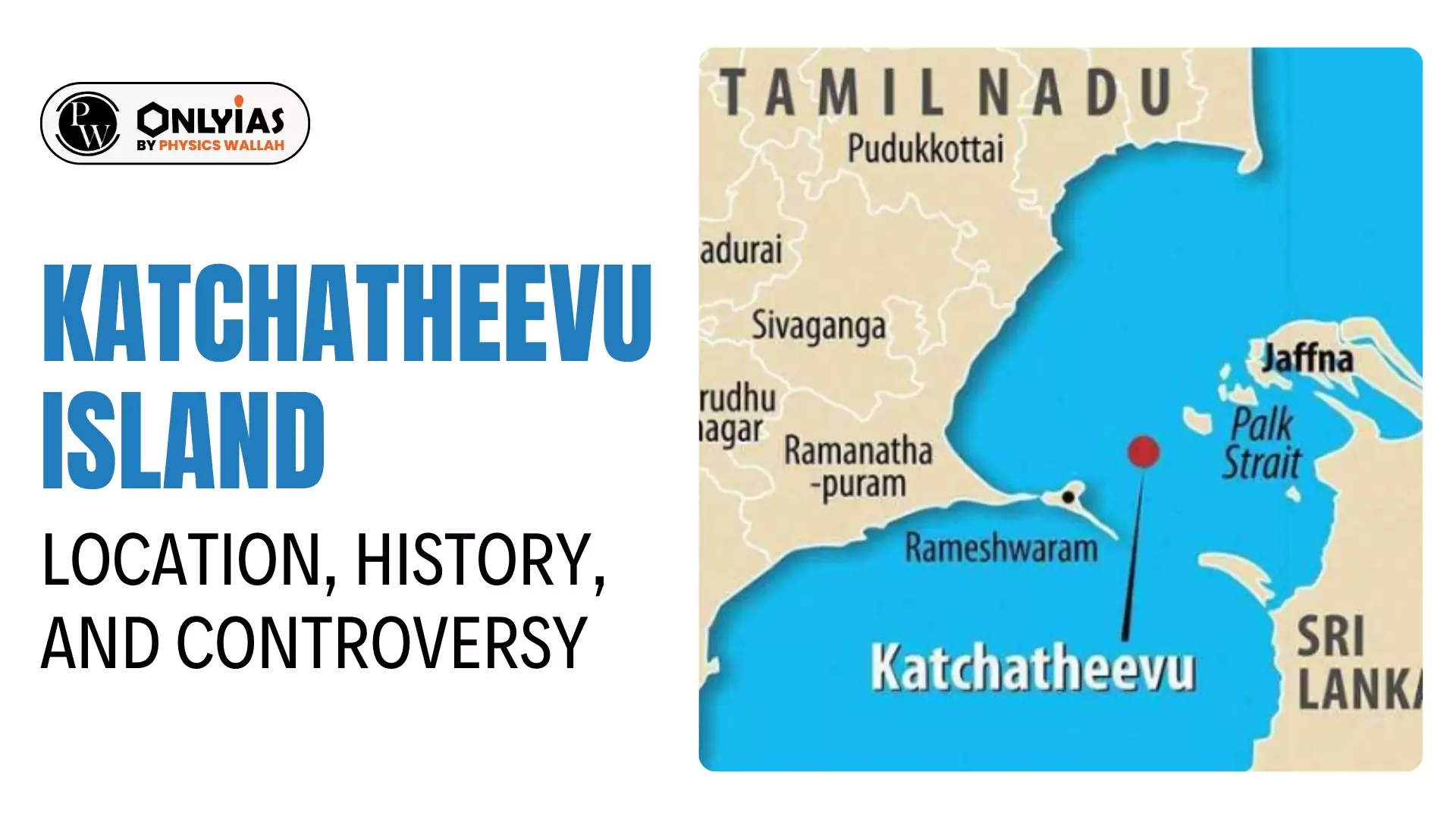
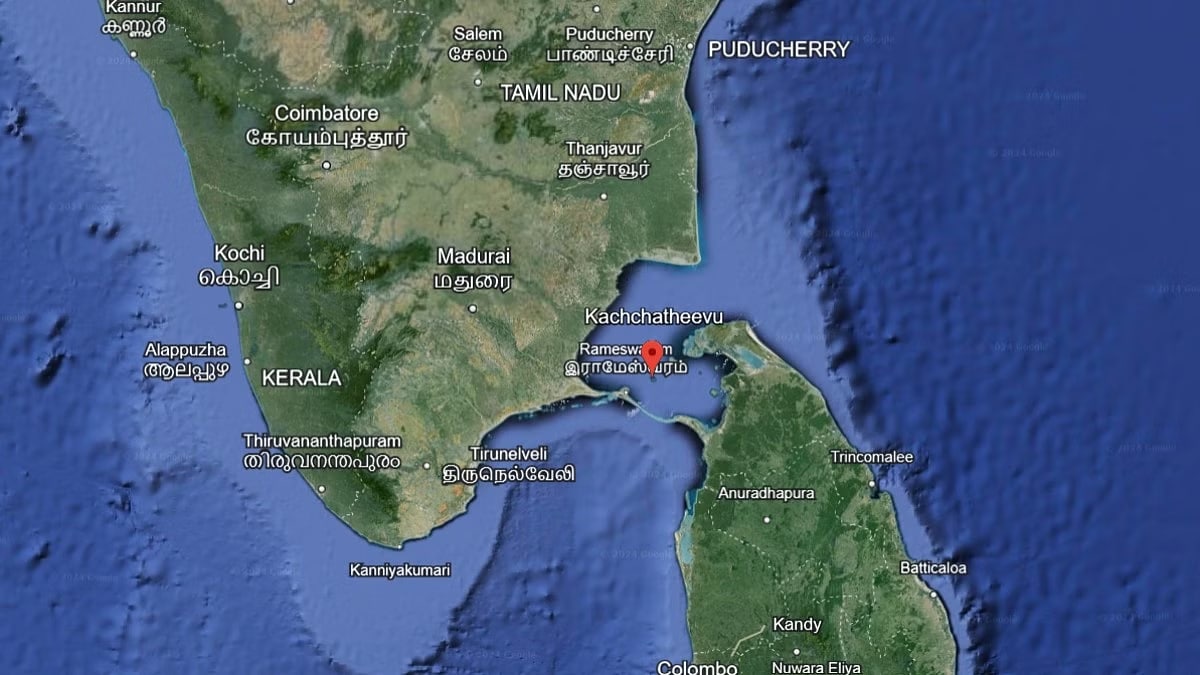
Katchatheevu, a minuscule, uninhabited island situated within the Palk Strait between India and Sri Lanka, holds a significance far exceeding its measurement. This seemingly insignificant speck of land has been on the coronary heart of a long-standing territorial dispute between the 2 nations, impacting their bilateral relations, maritime boundaries, and fishing rights for many years. Understanding the complexities surrounding Katchatheevu requires delving into its historic context, the authorized frameworks concerned, and the continued geopolitical implications.
A Historical past Rooted in Shifting Sands and Shifting Energy:
The historical past of Katchatheevu is intertwined with the historic relationship between India and Sri Lanka, marked by intervals of cooperation and battle. Previous to the nineteenth century, the island’s possession was unclear, with each Tamil and Sinhalese communities using its assets, primarily for fishing. Nevertheless, the British colonial period performed a vital function in shaping the island’s destiny. Each international locations have been beneath British rule, however the administrative management over Katchatheevu was usually ambiguous, leading to overlapping claims and inconsistent governance.
The 18th and nineteenth centuries witnessed a gradual shift in administrative management, with the British seemingly favoring Sri Lanka’s declare. Nevertheless, the absence of clearly outlined boundaries and the shortage of a sturdy administrative presence on the island meant that the problem remained largely unresolved. Fishing communities from each side continued to make the most of the island’s assets, albeit with occasional friction.
The pivotal second arrived in 1974 with the signing of the Indo-Sri Lanka Maritime Boundary Settlement. This settlement, ratified by each parliaments, ceded Katchatheevu to Sri Lanka in change for India gaining sure fishing rights in adjoining waters. This settlement, nonetheless, has grow to be a significant level of competition lately. Whereas the settlement seemingly resolved the problem, it did so by creating new factors of friction. The interpretation of the ceded fishing rights, the demarcation of the maritime boundary, and the perceived unequal change have fueled ongoing debates and protests.
The Authorized Framework and its Interpretations:
The 1974 settlement varieties the authorized foundation for Sri Lanka’s declare to Katchatheevu. The settlement is a legally binding worldwide treaty, and each international locations ratified it via their respective legislative processes. Nevertheless, critics in India argue that the settlement was negotiated beneath strain and didn’t adequately symbolize India’s pursuits, notably these of the Tamil fishing neighborhood.
The settlement’s ambiguity lies within the definition and implementation of the fishing rights granted to India. Whereas the settlement permits Indian fishermen to fish in sure areas round Katchatheevu, the Sri Lankan authorities have often restricted entry, citing safety issues or violations of fishing laws. This has led to frequent clashes between Indian fishermen and the Sri Lankan navy, additional exacerbating the tensions.
The demarcation of the maritime boundary itself is one other level of competition. Whereas the 1974 settlement established a maritime boundary, its exact location and interpretation stay topics of debate. Disagreements over the extent of territorial waters and the delineation of Unique Financial Zones (EEZs) proceed to gas the controversy.
Geopolitical Implications and Ongoing Tensions:
The Katchatheevu dispute extends past a easy territorial declare. It’s intertwined with broader geopolitical components, together with:
- Tamil Nationalism: The problem resonates deeply with the Tamil neighborhood in India and Sri Lanka, who view the island as an emblem of cultural and historic connection. The perceived injustice of the 1974 settlement has fueled Tamil nationalist sentiments, including a layer of complexity to the dispute.
- Maritime Assets: The Palk Strait is wealthy in marine assets, making the management of Katchatheevu and its surrounding waters economically important. The potential for oil and gasoline exploration additional provides to the strategic significance of the area.
- India-Sri Lanka Relations: The dispute has strained the bilateral relationship between India and Sri Lanka, impacting cooperation on numerous fronts. Intervals of heightened stress over Katchatheevu have overshadowed different areas of collaboration.
- Regional Energy Dynamics: The dispute additionally entails regional energy dynamics, with exterior actors probably influencing the scenario. The strategic location of Katchatheevu within the Indian Ocean provides to its geopolitical significance.
Current Developments and Future Prospects:
In recent times, the Katchatheevu situation has witnessed renewed consideration. Indian fishermen proceed to face restrictions in accessing conventional fishing grounds, resulting in protests and diplomatic efforts. Whereas each governments have acknowledged the necessity for a peaceable decision, important progress has been gradual.
A number of choices exist for resolving the dispute, together with:
- Renegotiation of the 1974 settlement: This could require each international locations to revisit the phrases of the settlement and probably search a extra equitable answer. Nevertheless, this feature faces important political hurdles.
- Joint administration of assets: An alternate method may contain joint administration of the marine assets within the area, permitting each international locations to learn from the assets whereas minimizing battle.
- Worldwide arbitration: Each international locations may comply with submit the dispute to a world arbitration tribunal for a binding determination. Nevertheless, this feature requires the consent of each events.
The way forward for Katchatheevu stays unsure. The decision of the dispute requires a nuanced method that addresses the historic context, the authorized framework, the geopolitical implications, and the issues of the affected communities. A long-lasting answer will necessitate political will, diplomatic efforts, and a dedication to discovering a mutually acceptable final result that respects the pursuits of each India and Sri Lanka. Ignoring the problem will solely perpetuate tensions and hinder the event of stronger bilateral relations. The small island’s destiny continues to carry important weight within the bigger geopolitical panorama of the Indian Ocean area. The trail in direction of a peaceable and equitable decision stays a difficult however essential activity for each nations.



![[Indepth] Katchatheevu Island Issue - Explained UPSC](https://www.iasexpress.net/wp-content/uploads/2024/04/Katchatheevu-Island-Dispute.jpeg)

Closure
Thus, we hope this text has supplied precious insights into Katchatheevu: A Tiny Island, A Huge Dispute – Unraveling the Historical past and Geopolitics of a Contested Territory. We hope you discover this text informative and helpful. See you in our subsequent article!