Into the Woods: A Deeper Have a look at Sondheim’s Twisted Fairy Story
Associated Articles: Into the Woods: A Deeper Have a look at Sondheim’s Twisted Fairy Story
Introduction
On this auspicious event, we’re delighted to delve into the intriguing matter associated to Into the Woods: A Deeper Have a look at Sondheim’s Twisted Fairy Story. Let’s weave attention-grabbing info and supply contemporary views to the readers.
Desk of Content material
Into the Woods: A Deeper Have a look at Sondheim’s Twisted Fairy Story
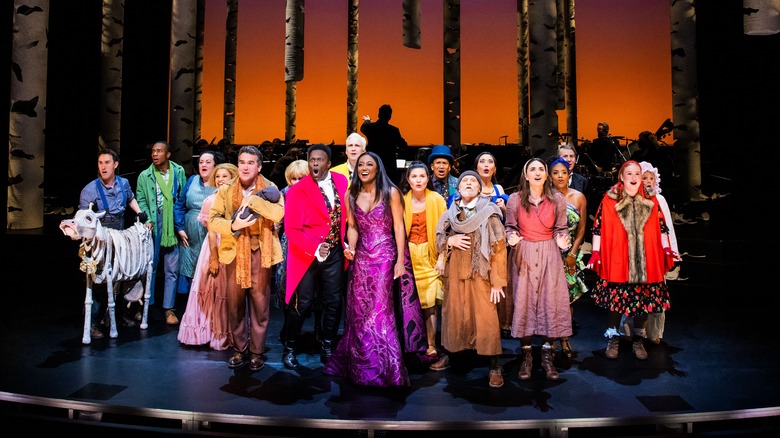
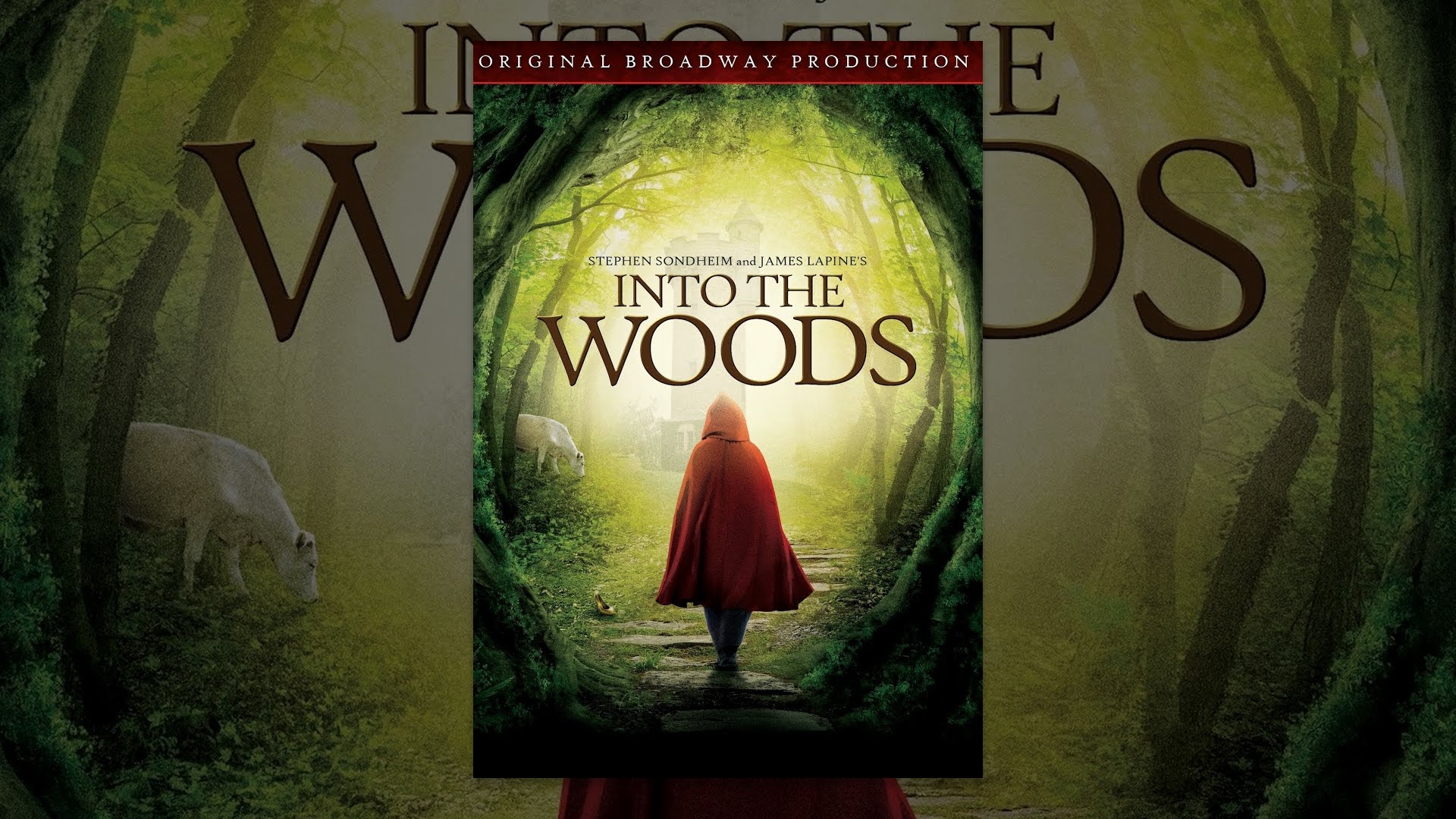
Stephen Sondheim’s Into the Woods is not your grandmother’s fairy story. Whereas borrowing acquainted characters and narratives from traditional tales like Cinderella, Little Crimson Driving Hood, Jack and the Beanstalk, and Rapunzel, Sondheim and James Lapine’s musical subverts expectations, weaving a fancy tapestry of need, consequence, and the messy realities of fortunately ever after. The latest revival on Broadway, and the enduring reputation of the 2014 movie adaptation, solidifies its place as a contemporary traditional, prompting renewed discussions about its themes and enduring relevance. This text will delve into the multifaceted layers of Into the Woods, exploring its narrative construction, its musical brilliance, and its enduring energy to resonate with audiences throughout generations.
A Narrative Labyrinth of Intertwined Fates:
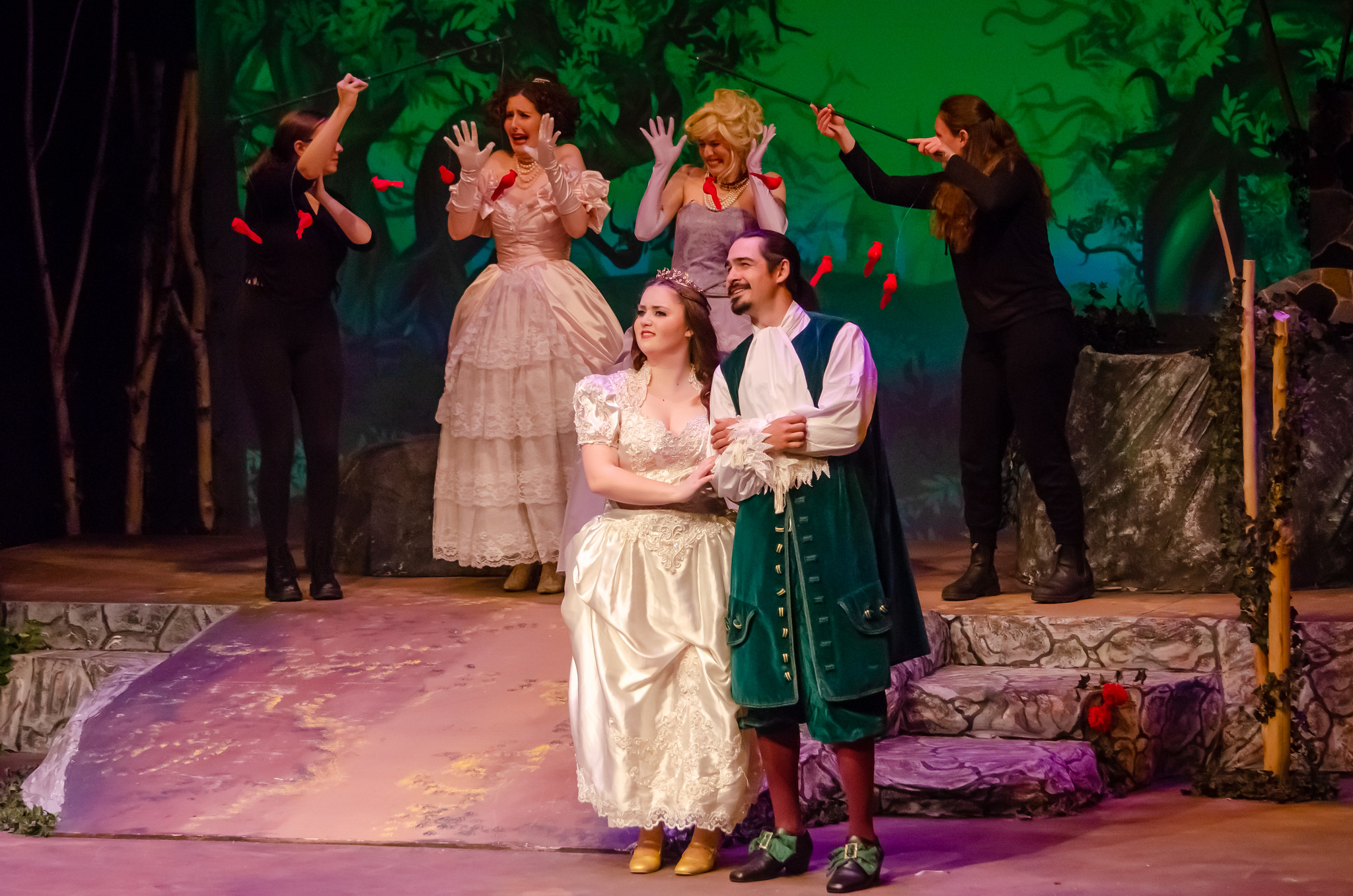
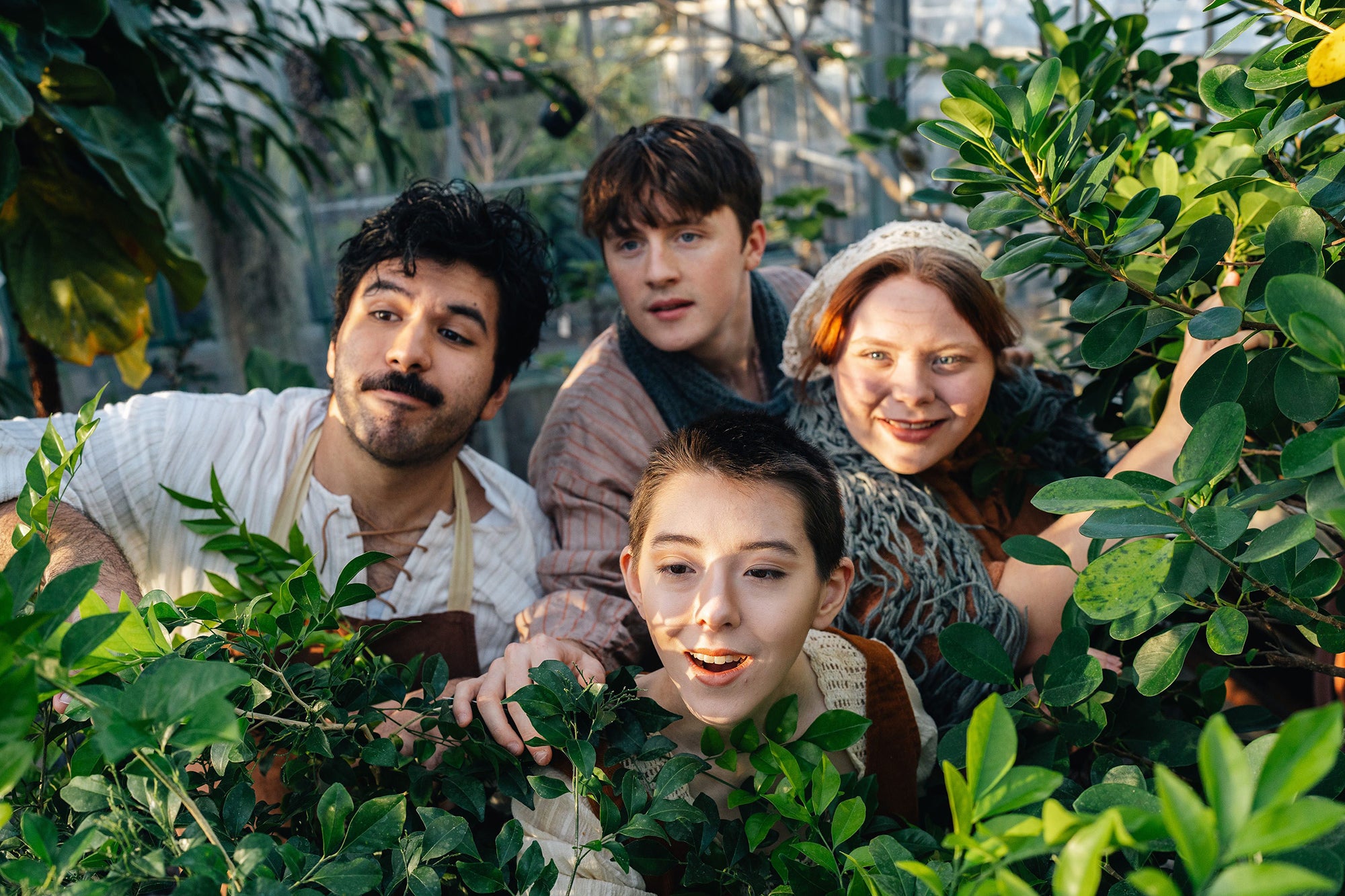
The brilliance of Into the Woods lies in its intricate plot construction. It is not merely a group of fairy tales introduced sequentially; reasonably, it is a refined tapestry the place the narratives intertwine and collide, making a wealthy and unpredictable narrative expertise. The primary act introduces the person tales, every pushed by a selected need: the Baker and his Spouse yearn for a kid, Cinderella goals of escape, Jack seeks fortune, and Rapunzel longs for freedom. These seemingly impartial narratives converge within the woods, a metaphorical area representing each alternative and hazard.
The woods function a catalyst, forcing these characters into sudden encounters and difficult their preliminary needs. The Witch, a robust and enigmatic determine, acts as a catalyst, setting the characters on their particular person journeys and finally weaving their fates collectively. The seemingly easy quest for a kid, a prince, or a cow transforms into a fancy internet of relationships, betrayals, and sudden penalties. The act culminates within the achievement of the characters’ preliminary needs, however this "fortunately ever after" feels fleeting and unsatisfying, highlighting the misleading nature of simplistic resolutions.
Act Two: The Crushing Weight of Duty:
The second act is the place the musical really distinguishes itself. The preliminary "fortunately ever after" proves to be a misleading phantasm. The characters, having achieved their targets, are actually confronted with the complexities and duties that accompany their newfound needs. Cinderella grapples with the constraints of her marriage, Jack struggles with the load of his newfound wealth, and the Baker and his Spouse confront the challenges of parenthood. The Big’s arrival, a consequence of Jack’s actions, serves as a robust metaphor for the unexpected repercussions of unchecked ambition and the damaging energy of unchecked needs.
The second act is darker, extra morally ambiguous, and much much less forgiving than the primary. The characters are compelled to confront the results of their decisions, and the musical explores the themes of loss, sacrifice, and the enduring energy of group. The ensemble numbers on this act, notably "No One Is Alone," showcase the interconnectedness of their fates and the significance of discovering energy and assist within the face of adversity. It is a highly effective testomony to the concept even within the darkest of occasions, we aren’t really alone.
Sondheim’s Musical Genius: A Symphony of Emotion:
Sondheim’s musical genius is plain. His rating is each intricate and accessible, seamlessly mixing catchy melodies with emotionally resonant lyrics. The music completely captures the emotional arc of the story, shifting from the whimsical appeal of the opening numbers to the darker, extra advanced melodies of the second act. Using leitmotifs, recurring musical phrases related to particular characters or themes, provides depth and complexity to the general sound.
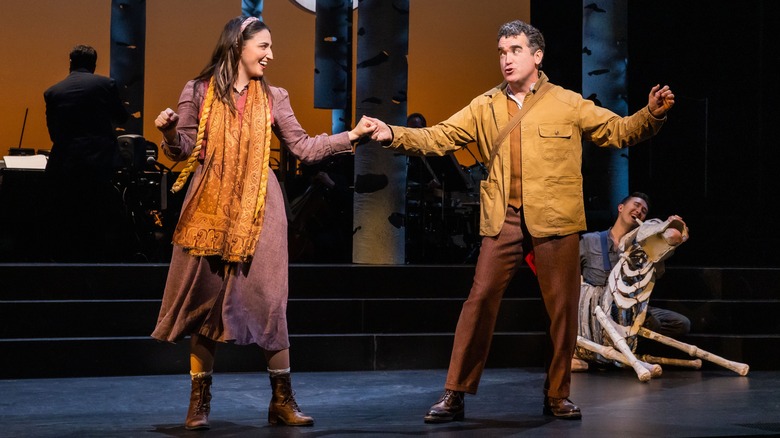
The songs themselves are masterclasses in storytelling. "Youngsters Will Pay attention," sung by the Witch, is a robust reflection on the accountability of parenting and the lasting influence of our actions on future generations. "Giants within the Sky," sung by Jack, captures the youthful idealism and naive ambition that usually results in unexpected penalties. "Moments within the Woods," a duet between the Baker and his Spouse, showcases the vulnerability and emotional intimacy of their relationship. These are just some examples of the quite a few musical gems that enrich the narrative and amplify its emotional influence.
The Enduring Relevance of Into the Woods:
Into the Woods resonates with audiences as a result of it tackles common themes that transcend time and tradition. The characters’ struggles with need, ambition, accountability, and the complexities of relationships are timeless. The musical’s exploration of the results of our actions and the messy realities of "fortunately ever after" strikes a chord with audiences who acknowledge the inherent complexities of life.
The musical’s ambiguity and lack of simplistic options additionally contribute to its enduring enchantment. It would not supply straightforward solutions or pat resolutions. As a substitute, it presents a nuanced and sophisticated portrayal of human nature, forcing audiences to confront the ethical ambiguities and tough decisions that form our lives. This lack of straightforward solutions is what makes the musical so intellectually stimulating and emotionally resonant.
The Movie Adaptation and Past:
The 2014 movie adaptation, directed by Rob Marshall, introduced Into the Woods to a wider viewers. Whereas the movie obtained blended evaluations, it showcased the musical’s visible spectacle and introduced a brand new era of viewers to Sondheim’s work. The star-studded solid, together with Meryl Streep, Emily Blunt, and James Corden, added to the movie’s attract, additional cementing the musical’s cultural significance.
Nonetheless, the movie adaptation additionally highlighted among the challenges of translating a stage musical to the display. The intricate plot, whereas fascinating on stage, can really feel considerably convoluted on display. The movie’s try to stability the darkish humor and emotional depth of the unique generally felt uneven. Regardless of these shortcomings, the movie adaptation efficiently introduced the magic and emotional energy of Into the Woods to a broader viewers.
Conclusion:
Into the Woods is greater than only a musical adaptation of fairy tales; it is a profound exploration of human nature, ambition, and the complexities of life. Sondheim’s masterful rating, coupled with Lapine’s intelligent narrative construction, creates a theatrical expertise that’s each enchanting and thought-provoking. Its enduring reputation stems from its capacity to resonate with audiences on a number of ranges, prompting reflection on our personal needs, decisions, and the often-unpredictable penalties that observe. Whether or not skilled on stage or on display, Into the Woods stays a fascinating and unforgettable journey into the center of the human expertise, reminding us that even essentially the most fantastical tales can maintain profound truths about ourselves and the world round us. Its exploration of the darker facet of fairy tales, its advanced characters, and its unforgettable rating solidify its place as a timeless masterpiece that continues to captivate and problem audiences many years after its debut.

Closure
Thus, we hope this text has supplied helpful insights into Into the Woods: A Deeper Have a look at Sondheim’s Twisted Fairy Story. We hope you discover this text informative and helpful. See you in our subsequent article!