I Wanna Watch Willy Wonka: A Timeless Exploration of Childhood, Capitalism, and Chocolate
Associated Articles: I Wanna Watch Willy Wonka: A Timeless Exploration of Childhood, Capitalism, and Chocolate
Introduction
On this auspicious event, we’re delighted to delve into the intriguing subject associated to I Wanna Watch Willy Wonka: A Timeless Exploration of Childhood, Capitalism, and Chocolate. Let’s weave attention-grabbing info and provide contemporary views to the readers.
Desk of Content material
I Wanna Watch Willy Wonka: A Timeless Exploration of Childhood, Capitalism, and Chocolate

"I wanna watch Willy Wonka!" It is a phrase uttered by youngsters (and nostalgic adults) throughout generations, a testomony to the enduring magic of Mel Stuart’s 1971 movie adaptation of Roald Dahl’s "Charlie and the Chocolate Manufacturing unit." Greater than only a whimsical confectionery journey, the movie resonates deeply, exploring complicated themes of childhood, social class, consumerism, and the seductive energy of temptation – all wrapped in a vibrant, unforgettable bundle of chocolate rivers and Oompa Loompas. This enduring enchantment begs a deeper examination: why, in spite of everything these years, can we nonetheless need to observe Willy Wonka?
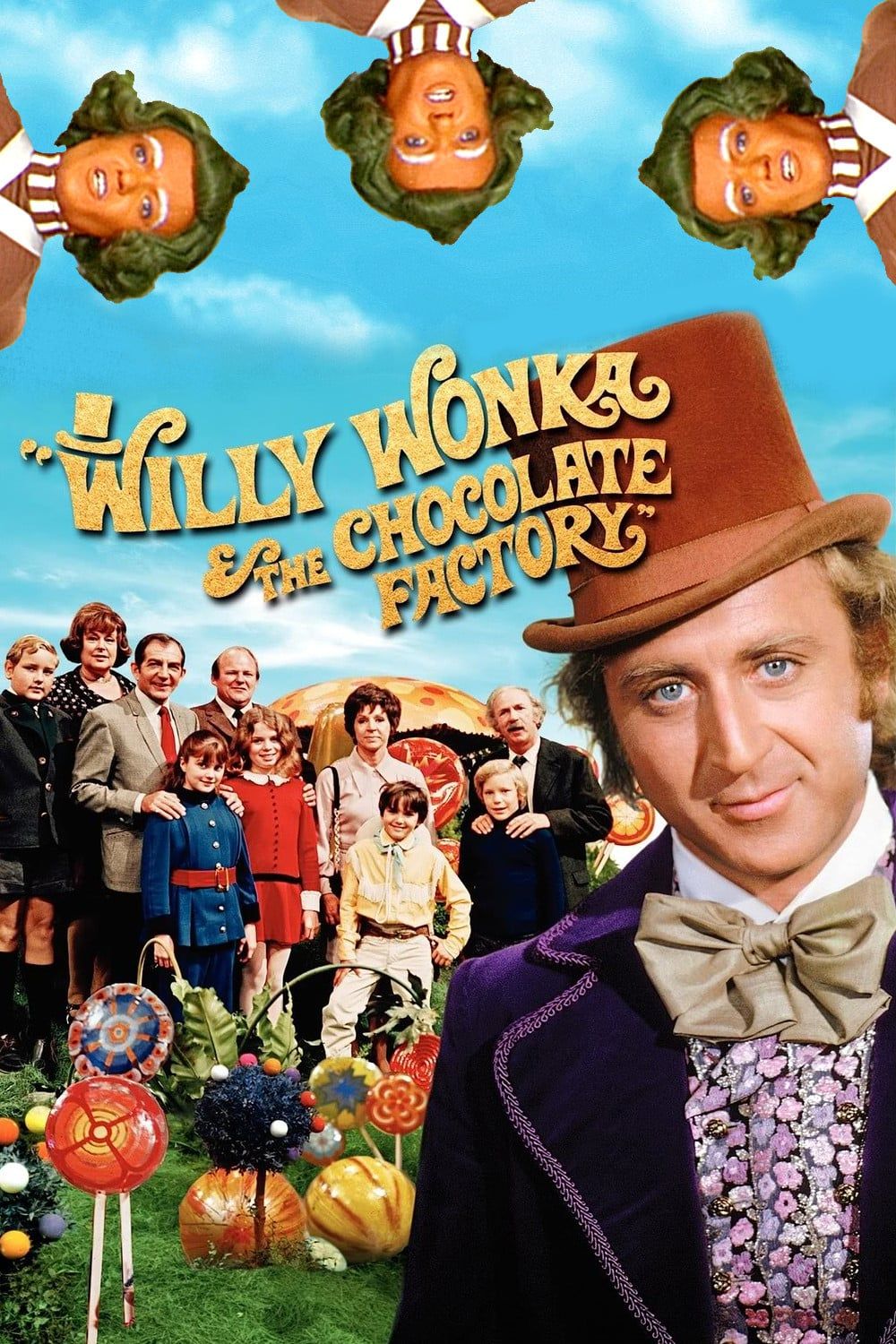
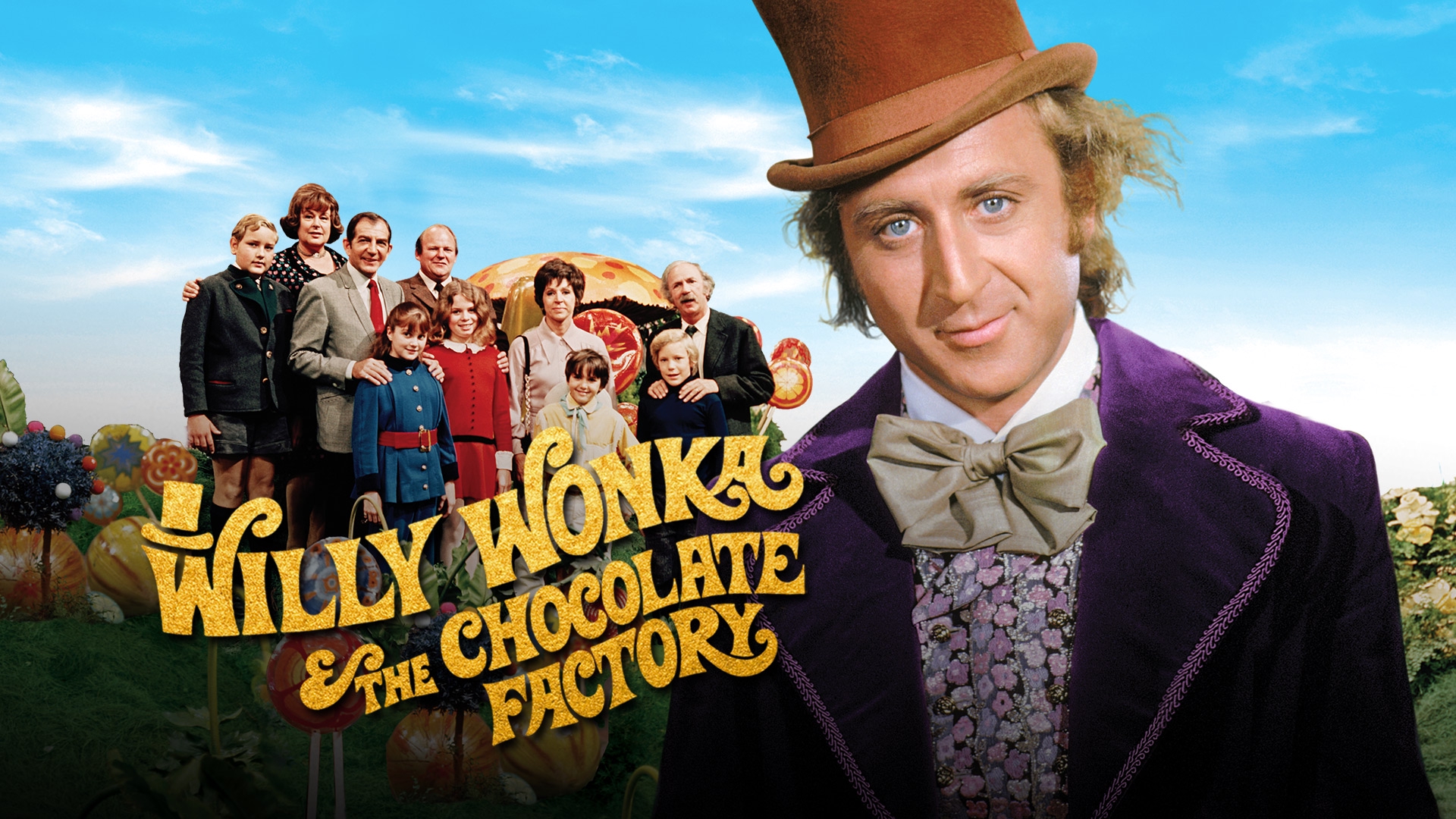
The movie’s preliminary draw is undoubtedly its visible spectacle. Gene Wilder’s eccentric, enigmatic portrayal of Willy Wonka is immediately iconic. His unpredictable demeanor, his speedy shifts between childlike glee and unsettling depth, create a personality each fascinating and barely unnerving. This ambiguity is essential to the movie’s success; it permits for a number of interpretations and ensures that the movie stays partaking even after repeated viewings. The colourful, fantastical units, from the chocolate river to the eternal gobstopper manufacturing facility, are equally fascinating, transporting viewers to a world of pure creativeness that transcends the mundane realities of on a regular basis life. The sheer artistry of the manufacturing design, a testomony to the inventive genius of its creators, continues to impress and encourage, even by immediately’s requirements.
Past the visible splendor, nevertheless, lies a surprisingly complicated narrative that continues to resonate with audiences. At its core, "Willy Wonka and the Chocolate Manufacturing unit" is a narrative about childhood and the challenges of rising up. Charlie Bucket, a poor however kind-hearted boy, represents the innocence and purity usually related to childhood. His journey via the chocolate manufacturing facility is a metaphorical exploration of the temptations and pitfalls that await as one navigates the complexities of the grownup world. Every of the opposite youngsters represents a special facet of infantile extra and flawed character: Veruca Salt’s spoiled greed, Violet Beauregarde’s aggressive ambition, Augustus Gloop’s gluttony, and Mike Teavee’s obsession with know-how. Their fates function cautionary tales, highlighting the implications of unchecked wishes and the significance of moderation and respect.
The movie additionally gives a pointy critique of capitalist consumerism. Wonka’s manufacturing facility, a seemingly utopian paradise of countless sweets, can also be a rigorously managed surroundings designed to maximise revenue. The competitors for the golden tickets is a mirrored image of the relentless pursuit of fabric possessions and the societal stress to amass extra. The kids’s behaviors, pushed by their wishes for the manufacturing facility’s merchandise, expose the manipulative energy of promoting and the seductive attract of immediate gratification. This underlying critique of consumerism is especially related in immediately’s society, the place promoting and advertising and marketing methods usually goal youngsters and exploit their vulnerabilities.
Moreover, the movie explores the theme of creativeness and creativity. Wonka himself is a determine of boundless creativeness, a visionary inventor who has created a world of pure fantasy. The manufacturing facility itself is a testomony to the ability of creativeness, a spot the place the unattainable turns into actuality. This emphasis on creativeness is especially essential for kids, who’re naturally inclined to dream and create. The movie encourages viewers to embrace their creativeness and to by no means cease believing within the energy of risk.
The Oompa Loompas, with their catchy songs and unsettlingly cheerful demeanor, act as a Greek refrain, providing ethical commentary on the youngsters’s actions. Their songs, usually darkly humorous and subtly vital, spotlight the implications of greed, selfishness, and lack of self-discipline. These songs aren’t merely entertaining; they function an important a part of the narrative, reinforcing the movie’s underlying themes and offering a layer of social commentary that provides depth and complexity to the story. Their presence provides a layer of surrealism and reinforces the fantastical nature of the world Wonka has created.
The ending, with Charlie’s reward of inheriting the chocolate manufacturing facility, is each satisfying and thought-provoking. It means that kindness, humility, and respect are finally extra helpful than materials wealth. Charlie’s victory will not be merely about successful a prize; it is a testomony to the significance of character and integrity. The movie subtly implies that true happiness will not be discovered within the accumulation of possessions however within the cultivation of optimistic relationships and the pursuit of significant objectives.
Nevertheless, the movie’s enduring enchantment extends past its narrative and thematic depth. It faucets right into a deep-seated nostalgia for childhood, evoking a way of surprise and enchantment that many adults affiliate with their very own youthful experiences. The movie’s vibrant colours, whimsical characters, and unforgettable musical rating create a sensory expertise that resonates deeply with viewers, triggering highly effective reminiscences and feelings. This nostalgic component is a major issue within the movie’s continued recognition, attracting not solely youngsters but in addition adults who search to recapture the magic of their very own childhoods.
The legacy of "Willy Wonka and the Chocolate Manufacturing unit" is plain. It has impressed numerous imitations, parodies, and tributes, cementing its place in fashionable tradition. The movie’s enduring enchantment lies in its capability to entertain and interact audiences of all ages, providing a fascinating mix of visible spectacle, compelling characters, and thought-provoking themes. It is a movie that may be loved on a number of ranges, providing one thing new and insightful with every viewing.
So, when somebody says, "I wanna watch Willy Wonka," it isn’t only a easy request for leisure. It is an expression of a want to revisit a world of pure creativeness, to reconnect with the magic of childhood, and to discover the complicated and enduring themes that proceed to resonate with audiences a long time after its launch. It is a testomony to the ability of storytelling, the enduring enchantment of chocolate, and the timeless attract of a very unforgettable movie. The query is not merely why we wish to watch Willy Wonka, however quite, why would not we? The reply, just like the chocolate river itself, is endlessly scrumptious and endlessly fascinating.




)
Closure
Thus, we hope this text has offered helpful insights into I Wanna Watch Willy Wonka: A Timeless Exploration of Childhood, Capitalism, and Chocolate. We thanks for taking the time to learn this text. See you in our subsequent article!